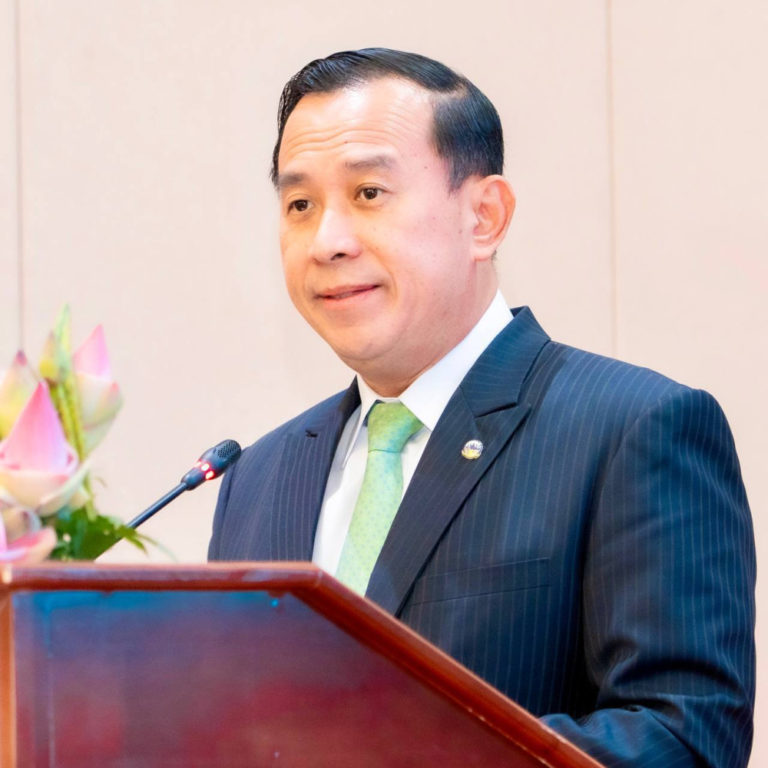
In a strategic push to redefine Southeast Asia’s tourism landscape, Cambodian Tourism Minister H.E. Huot Hak launched a major regional training programme on Wednesday, positioning innovation and youth-led technology as the cornerstones for post-pandemic recovery in the Mekong-Lancang sub-region.
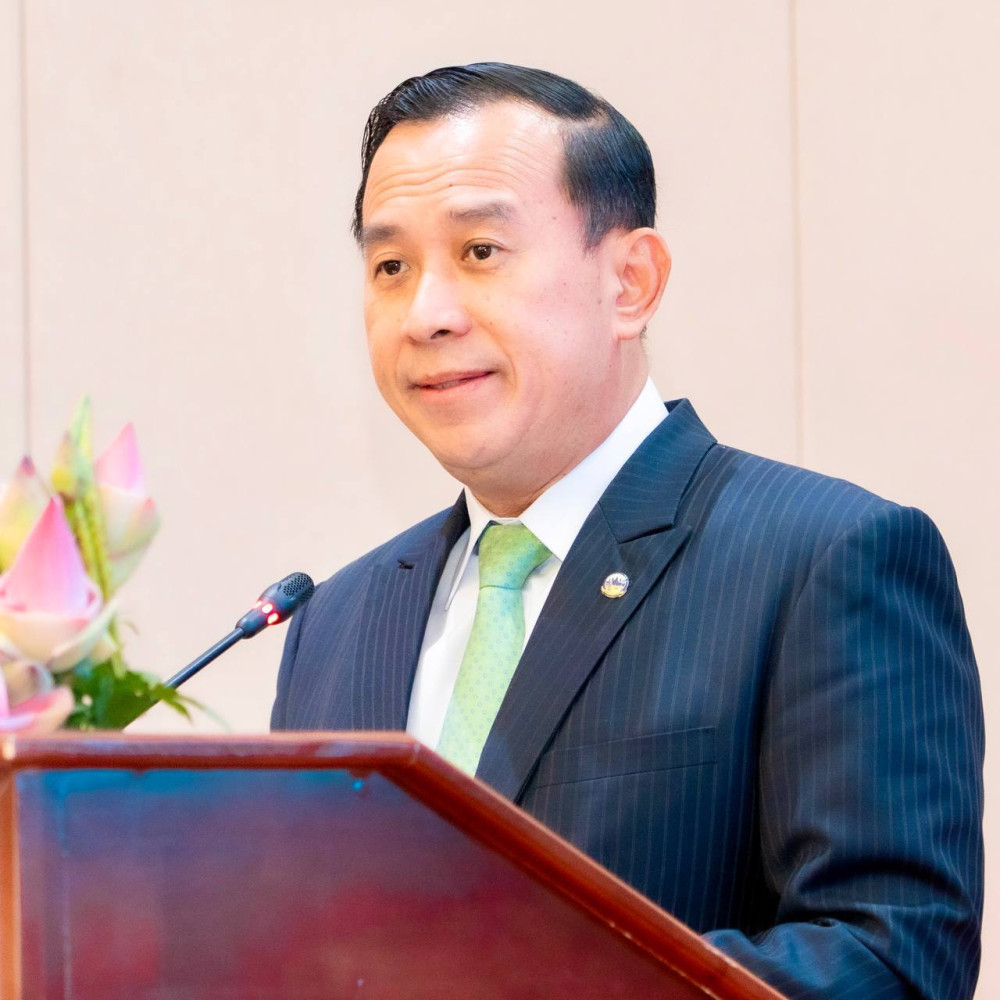
Presiding over the opening ceremony of the Second Training of Trainers on Service Excellence, Skills Development, and Innovative Tourism in Kampot province, the Minister underscored the initiative as a critical platform for pivoting from traditional tourism models toward tech-driven solutions.
“A primary objective is to empower the youth of our member countries to collaborate on innovative, technology-driven solutions,” said H.E. Huot Hak. “This is about revitalizing our sector by building a new generation of tourism professionals equipped to meet the demands of the global market.”
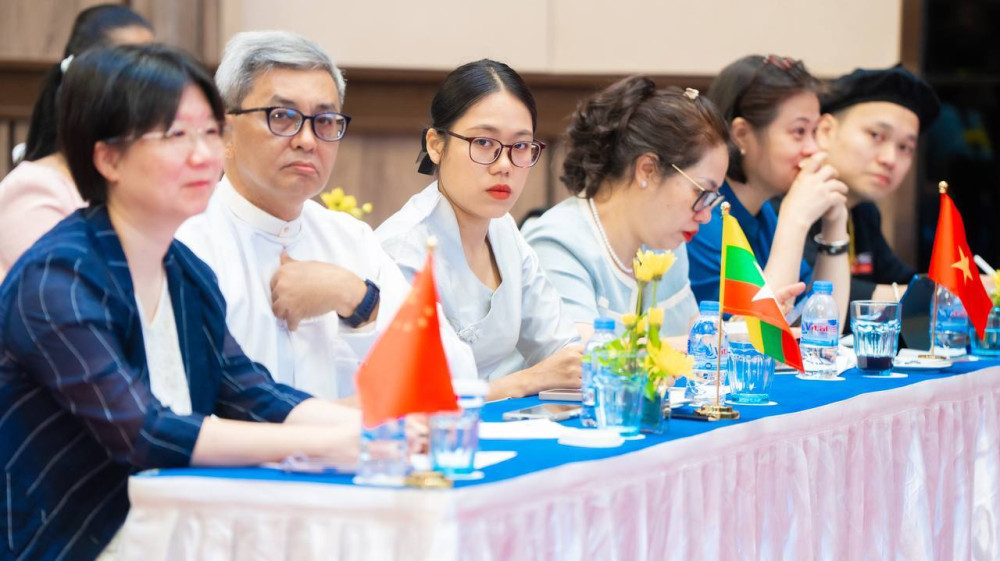
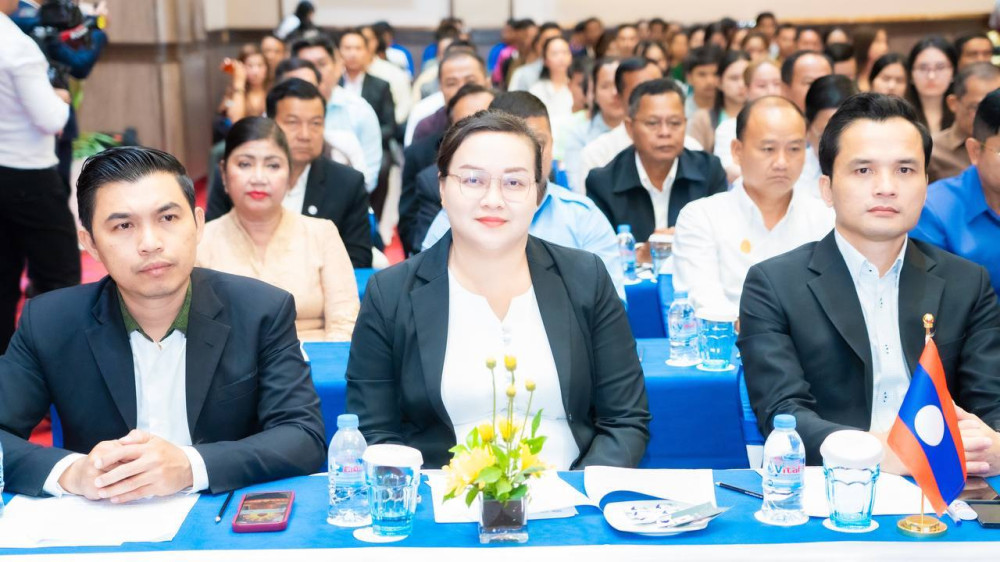
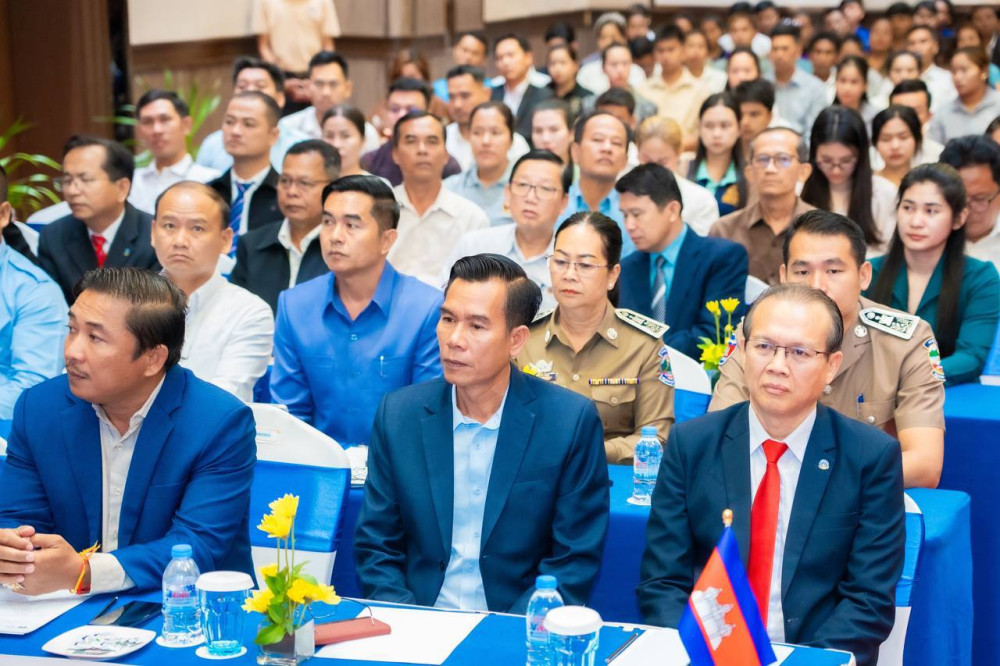
The event, has drawn over 200 participants, including experts, academics, and industry professionals from China, Laos, Myanmar, Vietnam, and Cambodia. The gathering serves as a key deliverable under the Mekong-Lancang Cooperation (MLC) framework, emphasizing practical skills development to enhance service standards across the region.
The Minister framed the seminar as a tangible manifestation of the deep diplomatic ties between Phnom Penh and Beijing. He stated that the training reinforces the 67-year diplomatic bond, aligning explicitly with the spirit of the “Ironclad Friendship,” the “All-weather Cambodia-China Community with a Shared Future,” and the “Cambodian-Chinese Diamond Cooperation Framework.” The Chinese side was lauded for its full support of the initiative, which aims to strengthen people-to-people exchanges and foster a unified, high-quality tourism market in the Mekong River Basin.
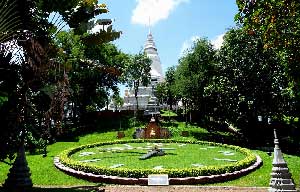
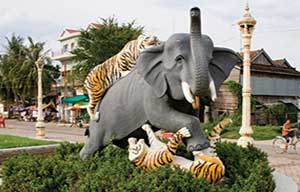
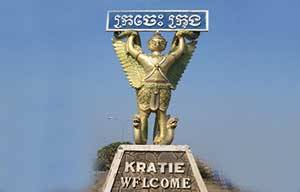
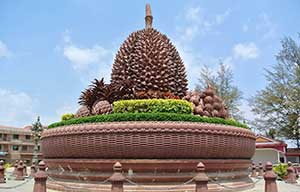
Hosting the event in Kampot provided a backdrop of regional success. Mr. Khieu Rithiphon, Deputy Governor of Kampot Province, highlighted the province’s emergence as a model for sustainable tourism. Kampot’s accolades—including being a three-time winner of Cambodia’s National Three-Bloom Romduol Flower Award and a consecutive two-time winner of the ASEAN Clean Tourist City Award—underscore its commitment to excellence.
The province’s performance validates this approach. In 2025, Kampot welcomed nearly 2.9 million tourists, a 6 percent increase year-on-year, with international arrivals surging by approximately 20 percent. Officials view this growth as a blueprint for other secondary cities in the region seeking to attract investment and long-stay visitors.
Beyond training, the course is designed as a networking hub for professional delegates and entrepreneurs. Organizers emphasized its role in helping delegates seize opportunities to establish joint tourism ventures, thereby catalyzing investment for domestic, Chinese, and international tourists traversing the Mekong River Basin.
The training programme is expected to conclude with the formulation of strategic recommendations for member states on integrating digital tools and high-tech services into their national tourism recovery plans.