Cambodia is turning its culinary heritage into a powerful economic driver, convening top officials and private sector leaders to weave local cuisine into the core of its national tourism strategy.
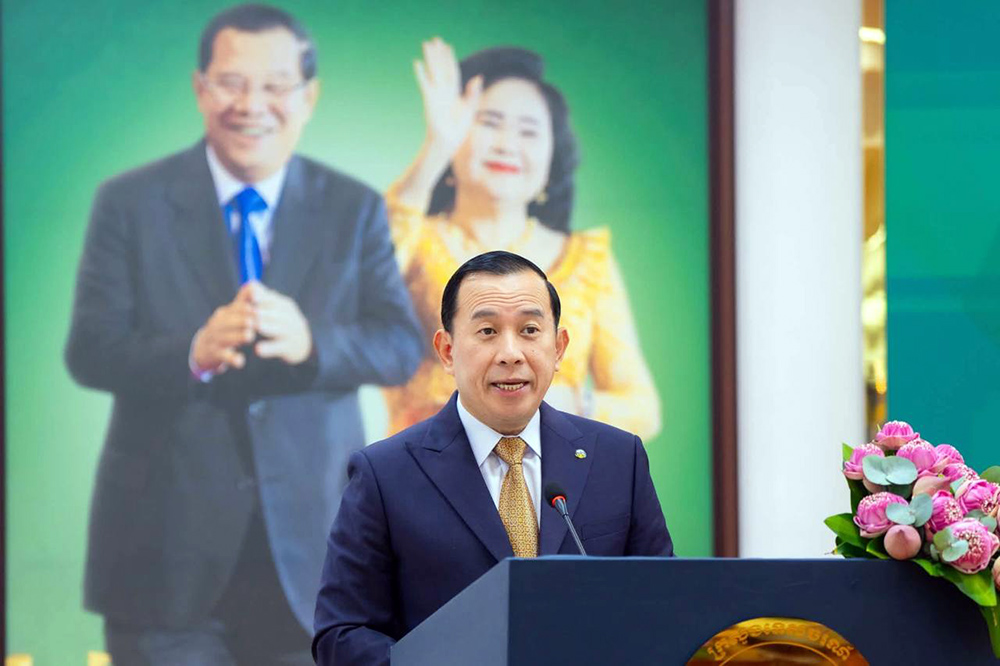
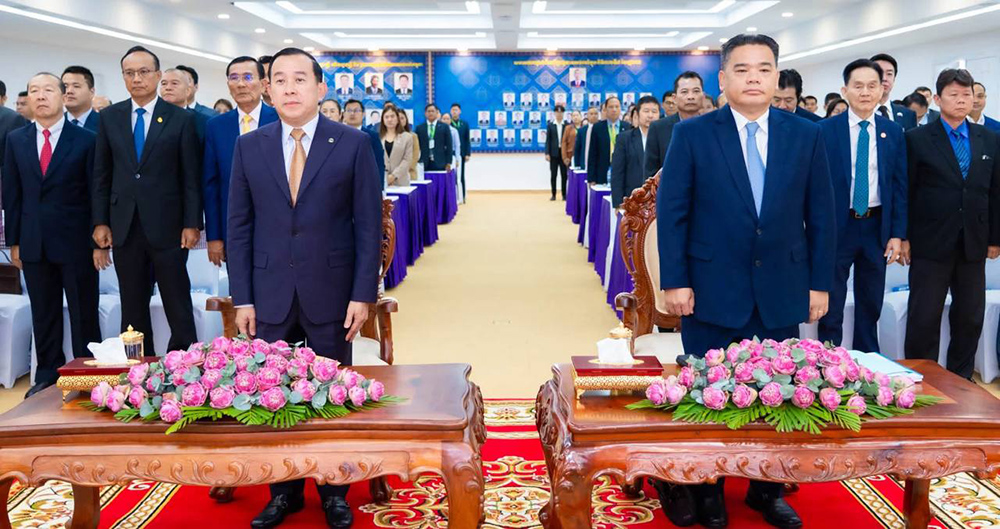
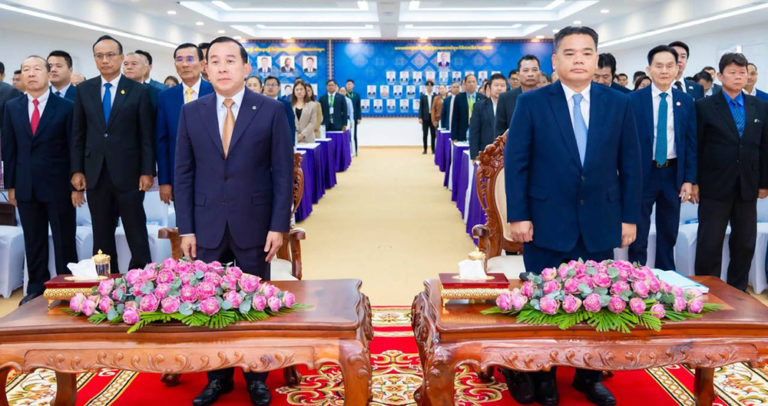
On June 30, the Ministry of Tourism hosted a high-level seminar titled “Tourism Diplomacy and Gastronomy Tourism Linked with Gastro Diplomacy.” Presided over by Minister of Tourism H.E. Huot Hak and Mr. Lu Meng, Co-Chair of the Tourism Working Group, the event drew roughly 250 policymakers, diplomats, chefs, and industry stakeholders.
The objective is clear: formalise a strategy that uses food as a “soft power” tool to boost both domestic and international visitor arrivals.
“Modern travellers seek more than sightseeing; they wish to taste local cuisine, discover culture, and immerse themselves in community life to gain genuine experiences that reflect each destination’s unique identity,” said H.E. Huot Hak.
The Ministry’s vision to transform the sector relies heavily on three strategic shifts: Culinary Innovations & Agri-Tourism: Developing dedicated culinary tourism routes and combining agricultural tours with gastronomy experiences.
These products are designed to extend visitor stays and increase local spending.
Hygiene & Authenticity: Cultivating innovation and modern food safety standards without losing the authentic, traditional flavours of Khmer cuisine.
The 2026 Francophonie Summit: Leveraging major international events to showcase Khmer dishes to global leaders. The upcoming summit in November 2026 is viewed as the ultimate launchpad to elevate Cambodia’s international hospitality standing.
By fusing cultural identity with strategic tourism products, Cambodia aims to drive foreign direct investment, elevate its global reputation, and ensure inclusive economic growth that flows directly back into local communities.