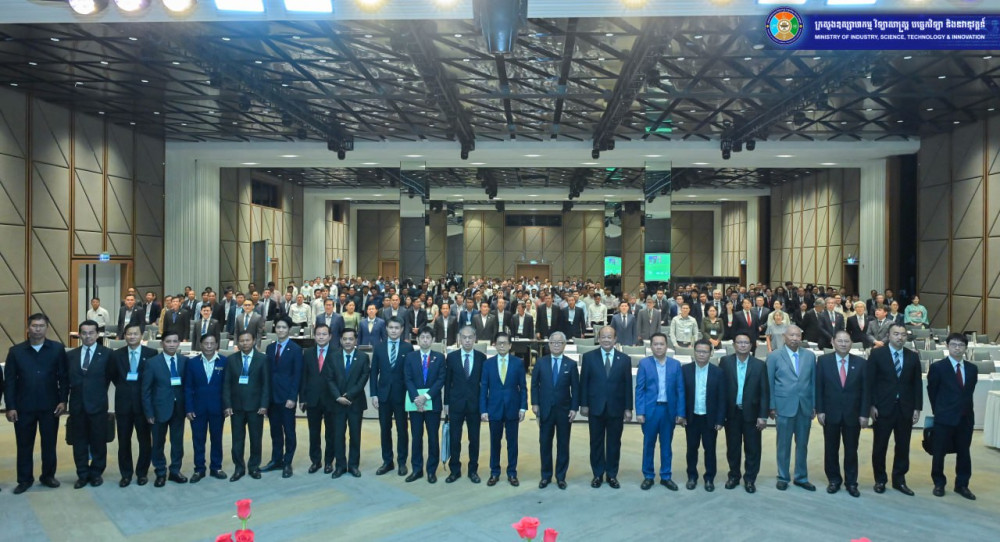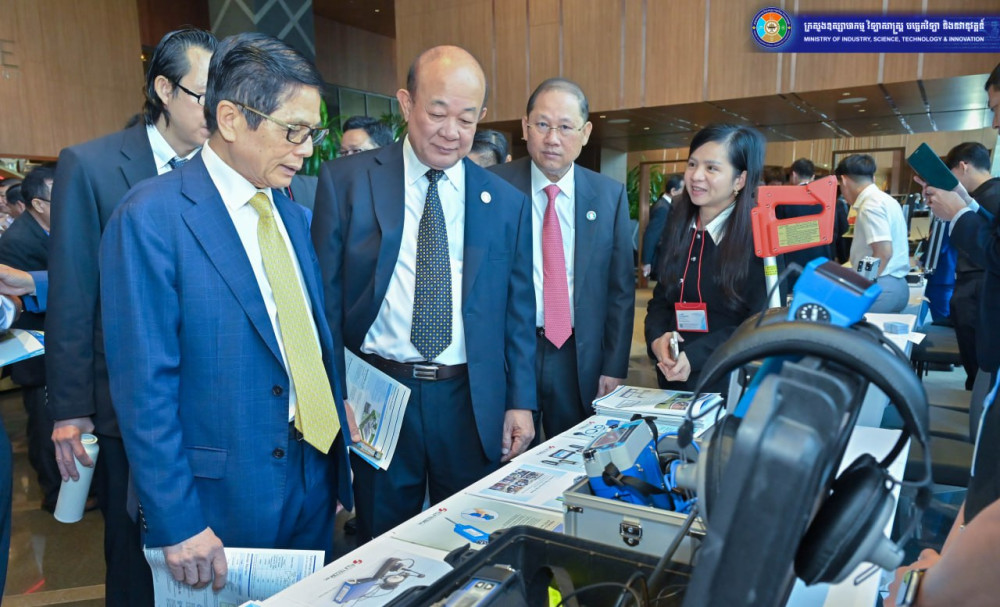
The 18th Cambodia-Japan Water Supply and Sanitation Seminar, themed “Transfer and Enhancement of Technologies in the Water Supply and Sewerage Sector,” was held in Phnom Penh on Jan. 14, bringing together policymakers, experts, and operators for a full day of experience, technical, and technological exchange.
The seminar was co-organised by the Ministry of Industry, Science, Technology & Innovation (MISTI), the Ministry of Public Works and Transport, the Cambodian Water Supply Association, Kitakyushu City Waterworks and Sewerage Bureau, and the Kitakyushu Overseas Water Business Association, with support from the Japanese Embassy, Japanese Ministry of Land, Infrastructure, Transport and Tourism (MLIT), and Japan International Cooperation Agency (JICA).
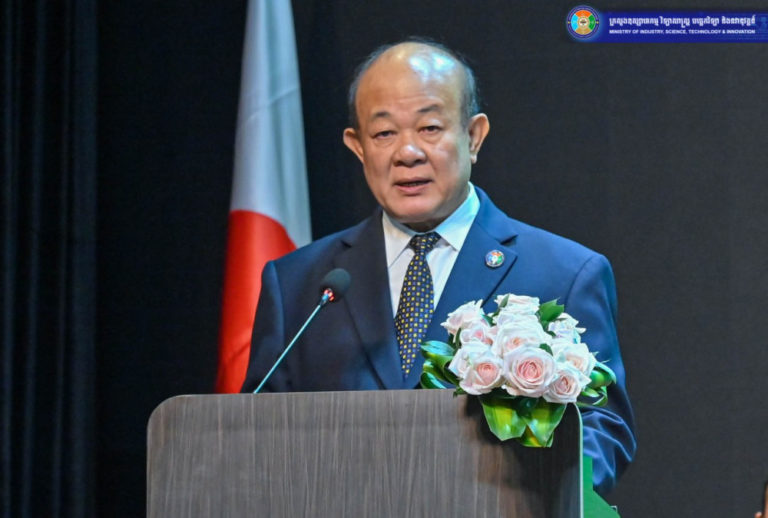
Presiding over the opening, H.E. Sim Sitha, Secretary of State of MISTI, underscored the seminar’s role in strengthening technology transfer, water related technical skills, and long-term sector sustainability.
The event drew high-level participation, including Japanese Ambassador H.E. UENO Atsushi, MLIT Deputy Minister H.E. HIROYUKI Ishii, Kitakyushu Vice Mayor H.E. EGUCHI Tetsuro, and senior Cambodian officials and sector leaders.
Aligned with the Pentagonal Strategy Phase 1, Cambodia has set a national goal of universal access to clean water by 2030 as a foundation for Vision 2050.
“Developing and managing water supply services that ensure quality, safety, sustainability, and affordability not only safeguards public health, but also builds confidence and attracts both national and international private investment—ultimately strengthening production quality and supporting business growth in Cambodia,” H.E. Sim Sitha said.
Cambodia’s water supply sector continues to expand with network access reaching 7,998 villages. Water production averages 40–50 million cubic metres per month, with private operators contributing 35 percent.