Cambodia continues to import fuel and gas despite escalating tensions in the Middle East, with efforts underway to ensure stable domestic supply, Minister of Mines and Energy H.E. Keo Rottanak said.
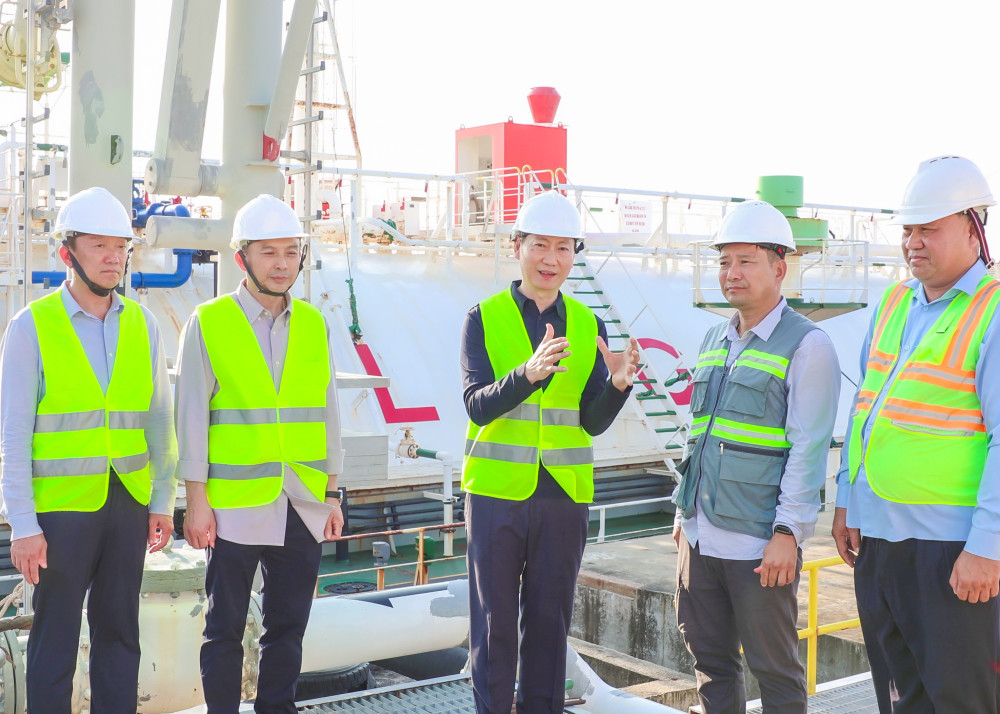
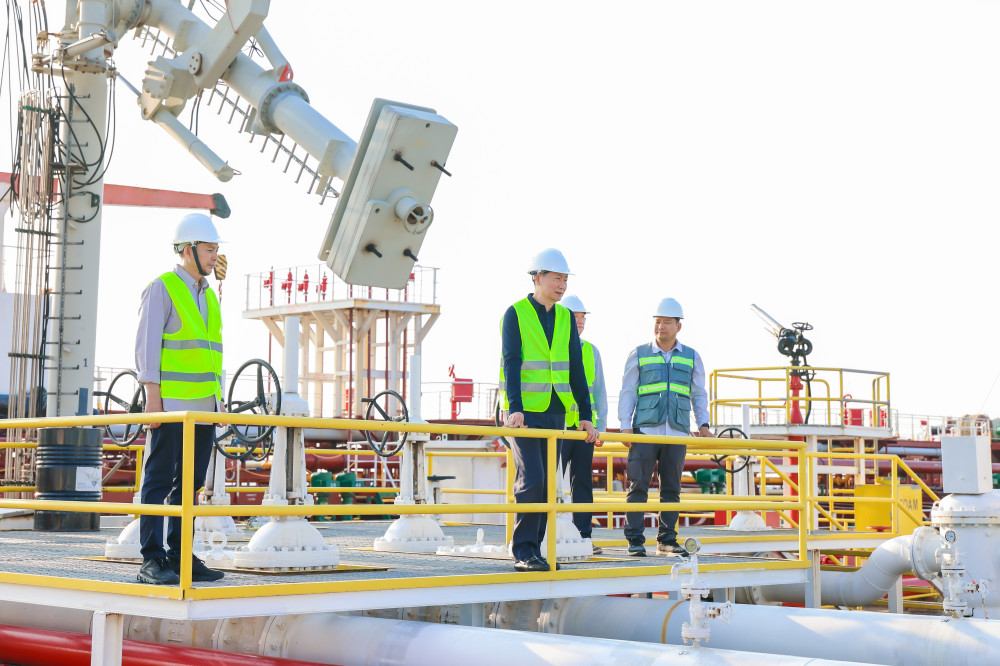
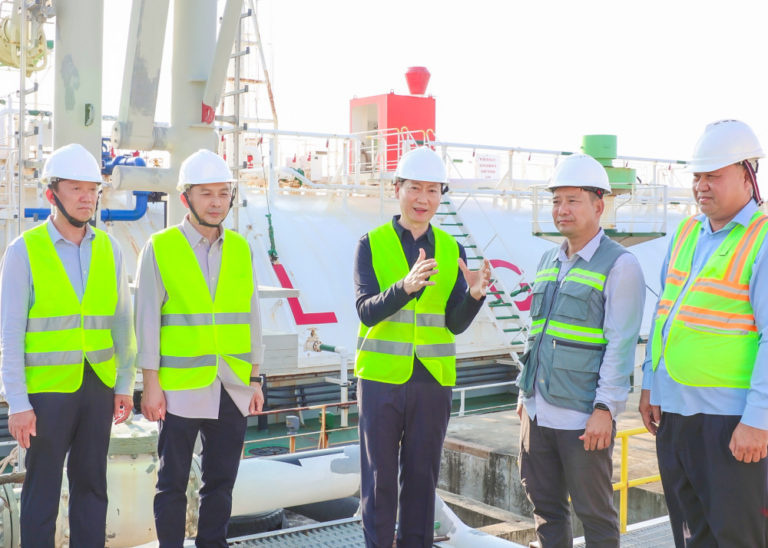
Speaking during an inspection of Tela fuel storage facilities in Preah Sihanouk province on Mar. 30, the Minister noted that global conflicts, particularly in the Middle East, have disrupted energy markets, with Asia heavily affected due to its reliance on supplies passing through the Strait of Hormuz.
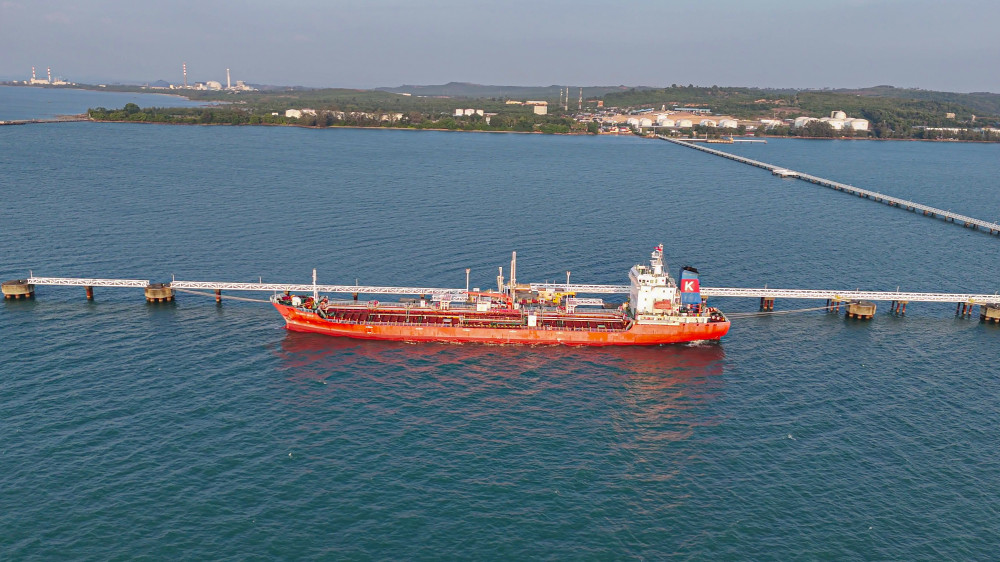
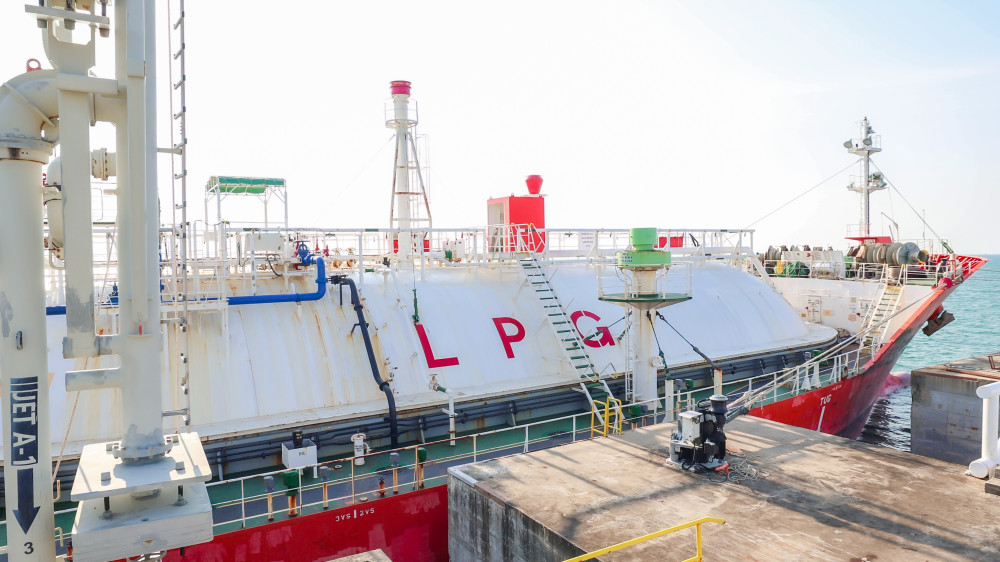
He confirmed the arrival of a new shipment of liquefied petroleum gas (LPG), with a tanker carrying 3,400 tonnes docking in Cambodia, helping to support national supply.
However, H.E. Minister acknowledged that current imports – around four to five shipments per month – remain below normal levels of seven to eight shipments due to tight global market conditions and procurement challenges.
He urged citizens and businesses to use fuel responsibly and conserve energy, while assuring that the government is working closely with domestic and international partners to maintain adequate supplies.
While the situation remains uncertain amid ongoing conflict, Cambodia is continuing efforts to secure fuel and gas to meet the country’s needs, he added.
The Royal Government of Cambodia has so far introduced a series of ongoing measures aimed at simplifying procedures for fuel and gas imports and easing the financial burden on citizens.
These include continued fuel price subsidies, such as a reduction of 6.5 U.S. cents per litre, along with an additional 1 cent per litre cut to offset increases in global gasoline prices. The government has also set customs duties on fuel imports at zero dollars.
Prime Minister Samdech Moha Borvor Thipadei Hun Manet has further approved tax relief measures, including reducing additional levies on gasoline and diesel to zero. The special tax on diesel has been cut from 4 percent to 0 percent, while value-added tax (VAT) on both gasoline and diesel has been lowered from 10 percent to 4 percent, with the government absorbing the remaining 6 percent to help curb price increases.
In addition, the Prime Minister recently instructed the Ministry of Labour and Vocational Training to engage relevant stakeholders, resulting in an agreement to provide a monthly subsidy of US$2.50 to workers to help cover transport costs.
The government has also introduced further interventions to prevent excessive increases in the prices of goods. These include reductions in customs tariffs and export-import duties on selected items such as electrical appliances, solar energy systems, electric vehicles, and other goods. The measures are outlined in a sub-decree on tariff adjustments, which will take effect from April 1, 2026.