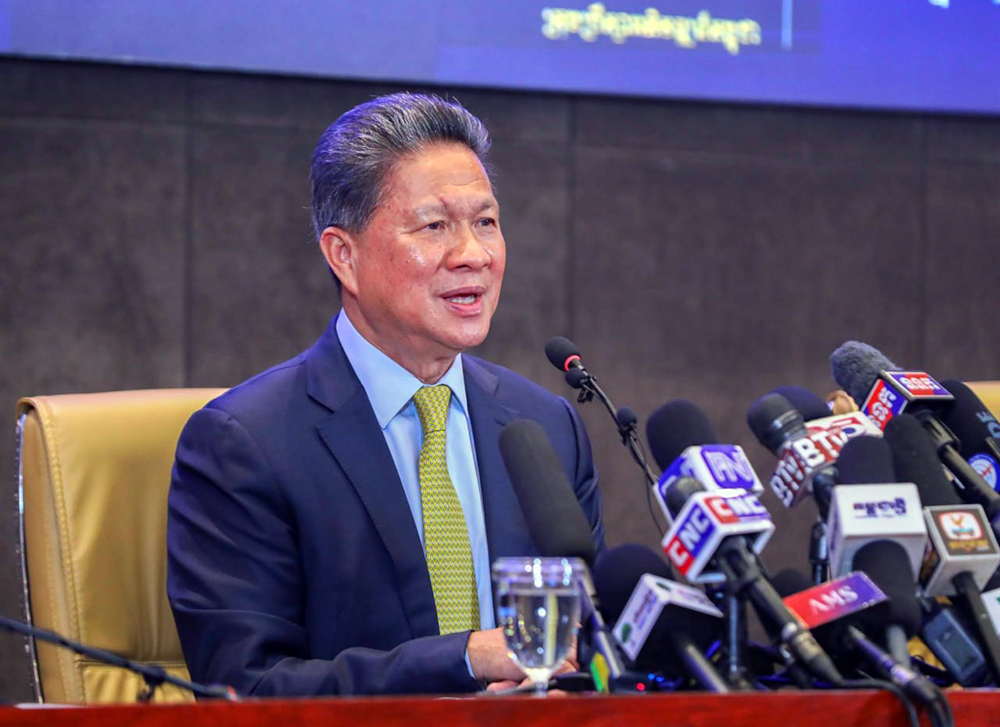
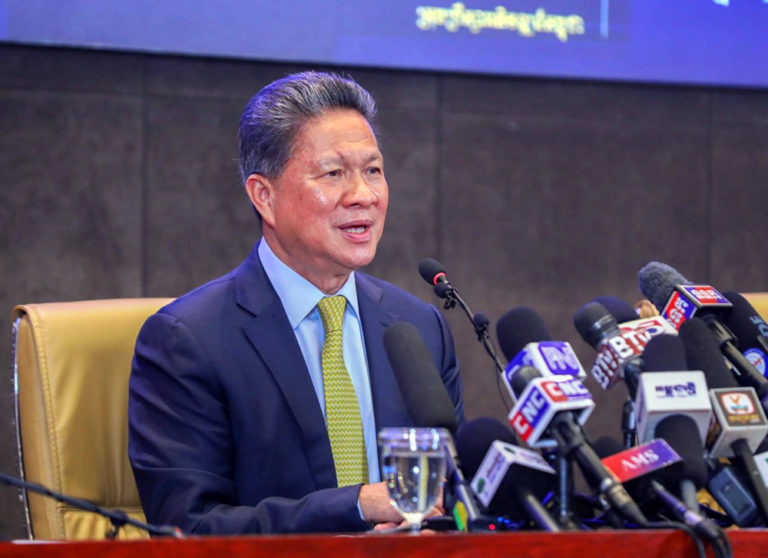
Cambodia is already taking steps to strengthen its competitiveness rather than waiting until trade preferences are withdrawn, H.E. Sun Chanthol, Deputy Prime Minister and First Vice Chairman of the Council for the Development of Cambodia (CDC), said.
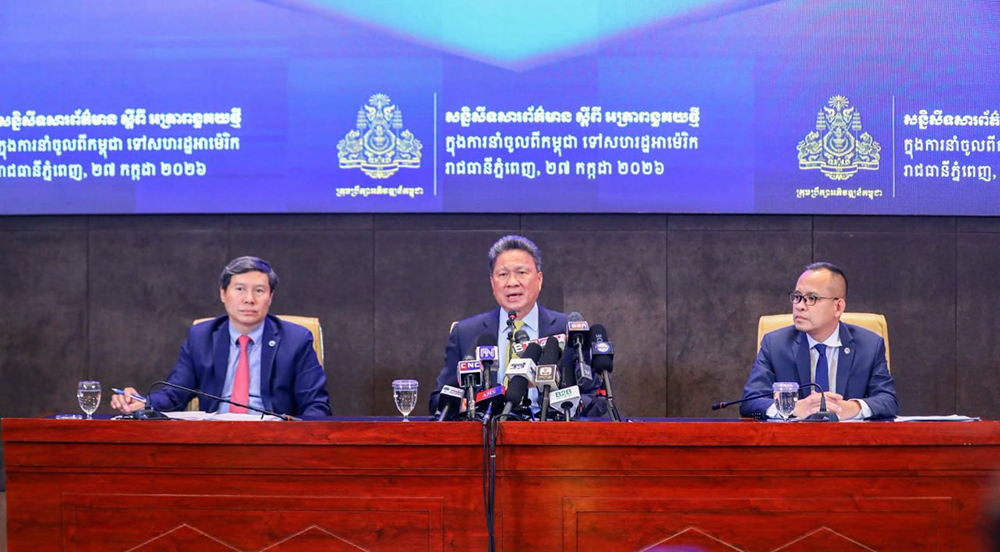
Speaking at a press conference on the “New Tariff Rate on Imports from Cambodia into the United States Following the Section 301 Trade Compliance Investigation under U.S. Trade Law,” held at the Council for the Development of Cambodia (CDC) on Monday afternoon, H.E. Sun Chanthol said Cambodia was already preparing for potential changes in trade preferences.
“We are not waiting until preferential tariffs are withdrawn before we start thinking about it. We have already been thinking about it from now on,” he said, highlighting measures including simplifying procedures, reducing logistics costs, improving quality, and further strengthening skills.
The Deputy Prime Minister said Cambodia also needs to diversify its economic and industrial base beyond garment manufacturing by developing sectors such as electronics and food processing, which would contribute to the country’s long-term development goals and vision.
He stressed that Cambodia should not rely solely on tariff preferences from other countries to drive national development, but must strengthen its own competitiveness by reducing production costs and carrying out reforms across various sectors.
“We are making efforts ourselves. We must not rely solely on a single preferential tariff rate. We must rely on ourselves to reduce production costs in Cambodia so that we can compete with others. We should not depend on preferential tariffs from one country or another; we must rely on ourselves,” H.E. Sun Chanthol said.
He further emphasised that Cambodia’s future depends on its own efforts to undertake comprehensive reforms and enhance its competitiveness globally.
“If we do not make changes ourselves and continue relying only on tariff preferences, there will come a time when those tariff rates disappear,” he warned.
The Deputy Prime Minister reiterated that Cambodia is already taking measures to prepare for such circumstances, including streamlining procedures, lowering logistics costs, improving the quality of work, and significantly strengthening workforce skills.