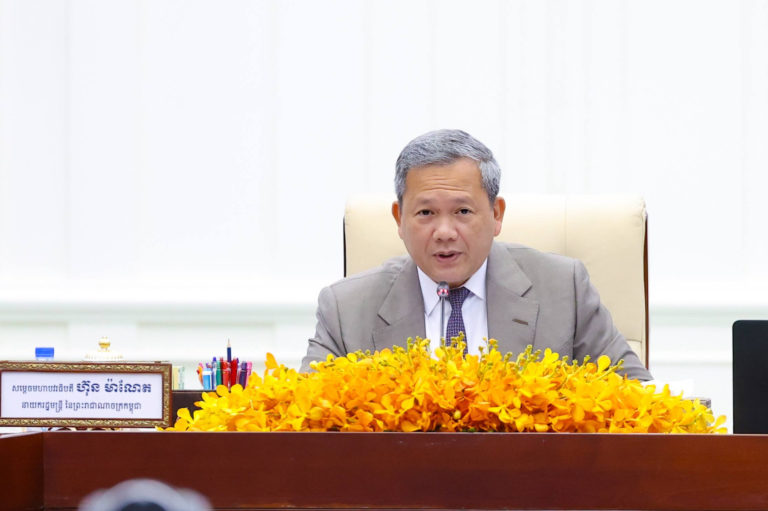
The Royal Government of Cambodia, under the leadership of Prime Minister Samdech Moha Borvor Thipadei Hun Manet, has approved two draft laws aimed at facilitating cross-border trade through digitalisation and strengthening economic cooperation between ASEAN and China.
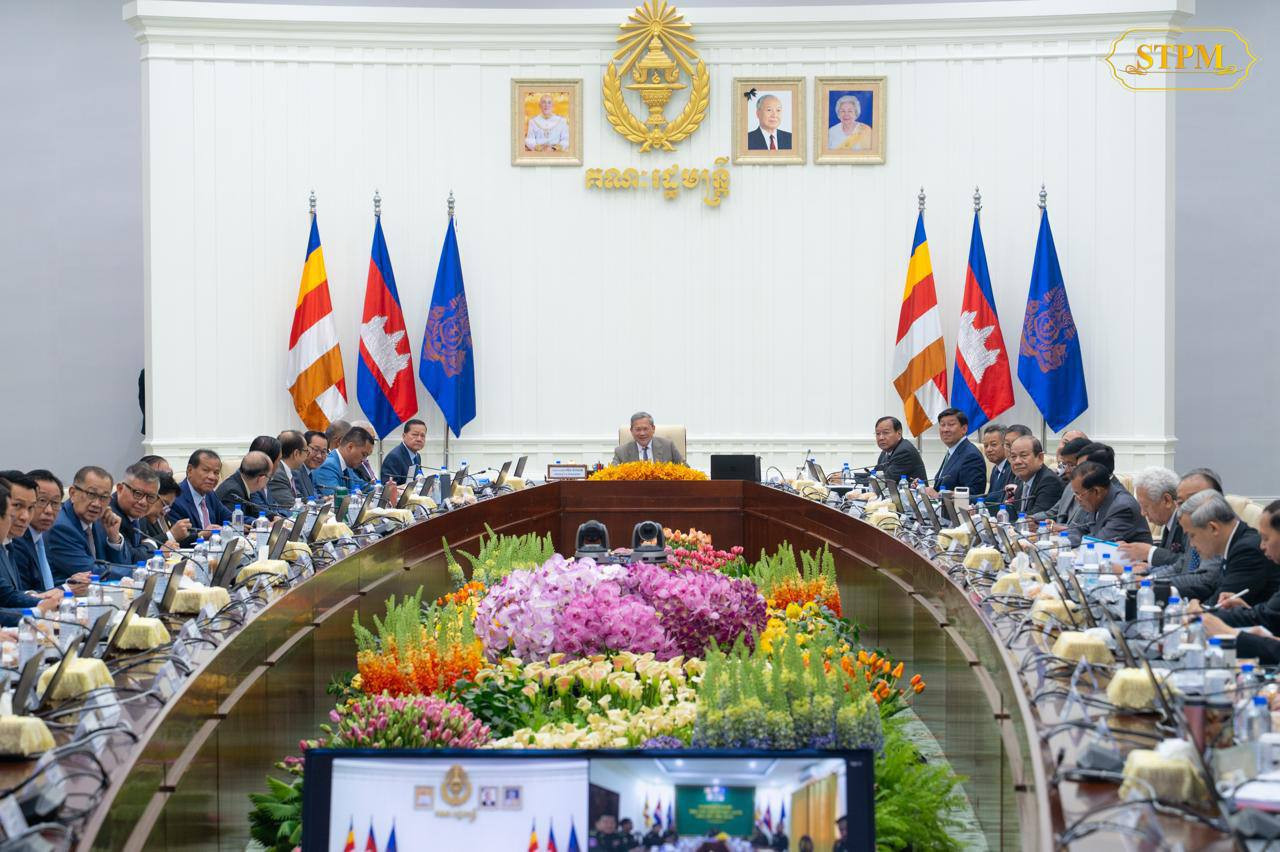
The two draft laws were approved during a cabinet meeting chaired by Samdech Thipadei on Friday morning.
The first is the Draft Law on the Approval of the Framework Agreement on Facilitation of Cross-border Paperless Trade in Asia and the Pacific. This document, comprising 25 articles, aims to establish a supportive framework for promoting the implementation of cross-border trade facilitation measures through the electronic exchange of trade-related data and documents.
The framework is designed to address existing challenges in cross-border trade by encouraging the use of electronic information and documentation, thereby helping simplify trade procedures, improve efficiency and facilitate smoother cross-border transactions among participating countries in the Asia-Pacific region.
The second is the Draft Law on the Approval of the Protocol to Upgrade the ASEAN-China Framework Agreement on Comprehensive Economic Cooperation and Certain Agreements under the Framework Agreement between the Association of Southeast Asian Nations (ASEAN) and the People’s Republic of China.
The protocol aims to enhance competitiveness and consumer protection while promoting the development of the digital and green economies and strengthening supply chain connectivity between ASEAN and China.
It is also expected to help expand economic opportunities, create a more favourable environment for trade and investment, and attract broader flows of foreign direct investment (FDI).
The approval of the two draft laws reflects Cambodia’s continued efforts to strengthen regional economic integration, promote digital transformation in trade and deepen economic cooperation with its regional partners.
Both initiatives are expected to contribute to more efficient trade processes, stronger regional connectivity and expanded economic opportunities for Cambodia and the wider Asia-Pacific region.